

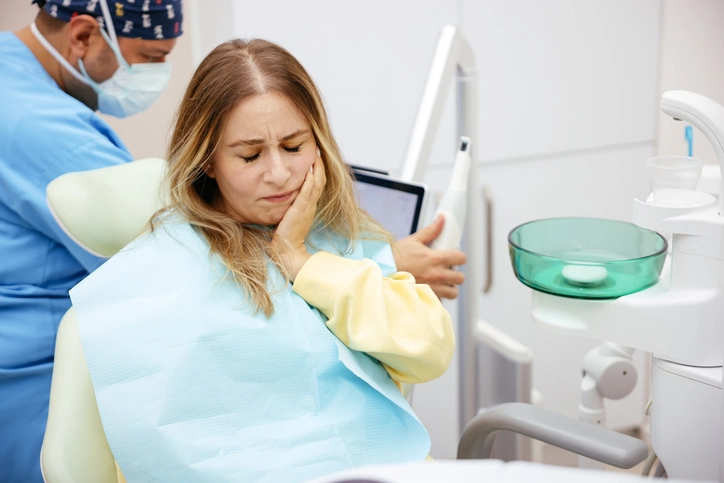
A sharp, throbbing ache that wakes you at two in the morning, a sudden crunch while biting into dinner, or an accidental elbow during a weekend basketball game can turn an ordinary day into a stressful medical dilemma. When dental trouble strikes outside normal office hours, panic often sets in. Most people immediately wonder whether their situation warrants finding an open emergency dental clinic, if they can safely hold out until Monday morning, or whether they ought to head straight to a hospital emergency room.
Understanding the boundary between routine dental discomfort and a true clinical emergency can mean the difference between saving and losing a tooth. It also prevents unnecessary trips to the emergency department, where medical staff are rarely equipped to perform definitive restorative dental work. Knowing how to recognize urgent symptoms and how to respond in the first critical hour will protect both your oral health and your peace of mind.
The Triage Rule: Discomfort vs. Crisis
Pain is the body’s warning system, but pain alone does not automatically make an issue an emergency. A lost filling can cause acute sensitivity to cold air, yet it rarely presents an immediate danger to your long-term health. Conversely, an infection that has started to spread into surrounding tissues might cause only a dull, rhythmic pressure, yet it carries severe systemic risks.
To determine whether you need urgent dental care right away, consider four fundamental questions:
-
Is there continuous, uncontrolled bleeding that will not stop with direct pressure?
-
Has a permanent tooth been knocked completely out, displaced, or severely loosened?
-
Is there noticeable swelling in your gums, cheek, jaw, or the lymph nodes under your neck?
-
Is the pain so severe that over-the-counter pain relievers provide zero relief?
If you answer yes to any of these questions, you are dealing with a situation that requires immediate professional evaluation. Postponing treatment can allow minor trauma to escalate into permanent structural damage or permit localized infections to spread into deeper facial spaces.
Situations That Require Immediate Emergency Dental Care
Certain conditions cannot wait for a regular appointment. When structural integrity is compromised or active infection is present, time is the single most valuable resource you have.
Knocked-Out (Avulsed) Permanent Teeth
Few oral injuries are more time-sensitive than an avulsed adult tooth. When a tooth is knocked clean out of its socket, the delicate periodontal ligament fibers attached to the root begin to die within minutes.
If you receive professional treatment within 30 to 60 minutes, an emergency dentist has a strong chance of successfully re-implanting and splinting the tooth back into place. Handle the tooth strictly by its smooth chewing surface (the crown), never the root. Rinse it gently with milk or sterile saline if it is dirty, avoiding any scrubbing or soaps, and attempt to slip it back into the empty socket facing the correct way. If that is not possible, store the tooth in a glass of cold whole milk or inside your cheek to keep the cells hydrated while you travel directly to the clinic.
Acute Dental Abscess and Spreading Facial Swelling
A dental abscess is an accumulation of pus caused by a bacterial infection within the tooth pulp or the surrounding gum tissue. It often presents as a visible, pimple-like bump on the gumline, accompanied by a foul taste, persistent throbbing pain, fever, and facial tenderness.
An untreated abscess will not resolve on its own. If the swelling begins to travel down into the neck or upward toward the eye, it poses a genuine threat to your airway and overall health. An emergency dentist must drain the infection, debride the area, and begin targeted antibiotic therapy to prevent the bacteria from entering the bloodstream or deep fascial spaces.
Severe, Intractable Tooth Pain
Not all toothaches demand a midnight clinic visit, but severe pain that radiates through the jaw, ear, or temple and prevents sleep or concentration often points to irreversible pulpitis or an underlying nerve exposure. When standard over-the-counter analgesics fail to take the edge off, you should seek emergency care to pinpoint the source, alleviate nerve pressure, and avoid further complications.
Uncontrolled Oral Bleeding
Minor bleeding after brushing or flossing is a common sign of gingivitis, not an emergency. However, active bleeding from an extraction site, lacerated gums, or direct trauma that fails to subside after applying firm, uninterrupted pressure with clean gauze or a damp tea bag for twenty to thirty minutes indicates a need for immediate clinical intervention.
Deep Fractures and Extruded Teeth
A hairline craze line or a small chip on the edge of an incisor is cosmetic. However, if a tooth breaks off near the gumline, splits vertically, or is pushed inward, outward, or sideways within the bone (extruded), urgent stabilization is required. When the inner red pulp chamber is visible or exposed to air, the nerve is at imminent risk of necrosis without prompt endodontic treatment.
Dental Issues That Can Wait for Regular Business Hours
It is equally important to recognize problems that, while uncomfortable or inconvenient, are safe to manage at home for a day or two until your regular dentist can see you.
-
Lost Fillings or Crowns: While a missing crown leaves the underlying tooth structure sensitive and exposed, it is rarely dangerous over the short term. You can clean the inside of the crown and use an over-the-counter temporary dental cement or sugar-free gum to hold it in place temporarily.
-
Minor Chipped Teeth: If a piece of enamel breaks off without bleeding, deep pain, or sharp jagged edges cutting into your tongue, the repair can wait for normal office hours.
-
Mild Tooth Sensitivity: Heightened sensitivity to ice water or hot coffee usually indicates gradual enamel wear or gum recession rather than an acute breakdown.
-
Broken Orthodontic Brackets or Wires: A wire poking your cheek can usually be covered with orthodontic wax or pushed gently against the tooth with the eraser end of a pencil until your orthodontist can make an adjustment.
-
Objects Stuck Between Teeth: If persistent flossing fails to dislodge a popcorn hull or fiber, schedule a regular visit rather than attempting to pry it loose with sharp metal objects, which can permanently gouge the enamel or tear periodontal ligaments.
Emergency Dental Clinic vs. The Hospital Emergency Room
Patients facing severe oral distress often default to the nearest hospital emergency room. In most cases, this leads to long wait times and frustration. Hospital ERs are designed for life-threatening general medical crises, and they rarely have licensed dentists on duty or the specialized dental chairs, handpieces, and materials needed to restore teeth.
At an ER, physicians can typically only prescribe antibiotics, administer systemic pain medication, and perform basic soft-tissue suturing before referring you back to a general dentist on Monday.
Choose a specialized emergency dental clinic when you need:
-
Tooth re-implantation or repositioning.
-
Repair of broken or shattered teeth.
-
Root canal therapy to relieve nerve pain.
-
Surgical or simple extractions of non-restorable teeth.
-
Immediate replacement of dislodged prosthetic work causing acute trauma.
Go directly to a hospital emergency room only when you experience:
-
Severe trauma involving fractured facial or jaw bones.
-
Rapidly expanding swelling that makes it difficult to swallow or breathe.
-
Bleeding from deep facial wounds that will not stop with continuous pressure.
-
Altered consciousness, severe dizziness, or high fever accompanying widespread facial swelling.
What to Expect During an Emergency Visit
When you arrive at an emergency dental practice, the initial focus is triage: stabilizing your condition, eliminating acute pain, and stopping any active infection or hemorrhage.
The dental team will take focused digital X-rays to assess the internal health of the tooth, the surrounding alveolar bone, and root structures. Once local anesthesia is administered to restore your comfort, the dentist will perform the minimum necessary intervention to secure the site. This may include opening an infected pulp chamber, placing temporary sedative dressings, splinting loose teeth, or draining an abscess.
Keep in mind that emergency care is frequently the first phase of treatment. You will often need to schedule a follow-up appointment with your regular dental provider for comprehensive restorative steps, such as placing a permanent crown, finishing a root canal, or discussing long-term replacement options like dental implants.
Steps to Take While En Route to the Clinic
Before you reach the clinic, practical first-aid measures can help preserve your oral structures and manage discomfort:
-
Rinse with warm saltwater: Mix half a teaspoon of salt into warm water and gently bathe the mouth to cleanse the area and reduce bacterial load. Avoid vigorous spitting, which can dislodge protective blood clots.
-
Apply cold packs externally: Place an ice pack wrapped in a clean cloth against the outside of your cheek for fifteen minutes at a time to minimize localized swelling and dull sharp nerve pain.
-
Never place aspirin against your gums: An old folk remedy suggests placing an aspirin tablet directly onto an aching tooth. This causes severe chemical burns to the delicate oral mucosa without offering any pain relief. Swallow pain medication with water as directed on the label.
-
Call ahead when possible: Even if an emergency clinic accepts walk-ins, phoning them while in transit allows the clinical staff to prepare the operatory, ready specific instruments, and give you immediate guidance tailored to your specific injury.
Reacting calmly and systematically during a dental crisis is the most reliable way to protect your smile. By understanding which symptoms demand immediate attention and taking the correct preliminary steps, you ensure that unexpected accidents do not turn into lifelong dental regrets.
