

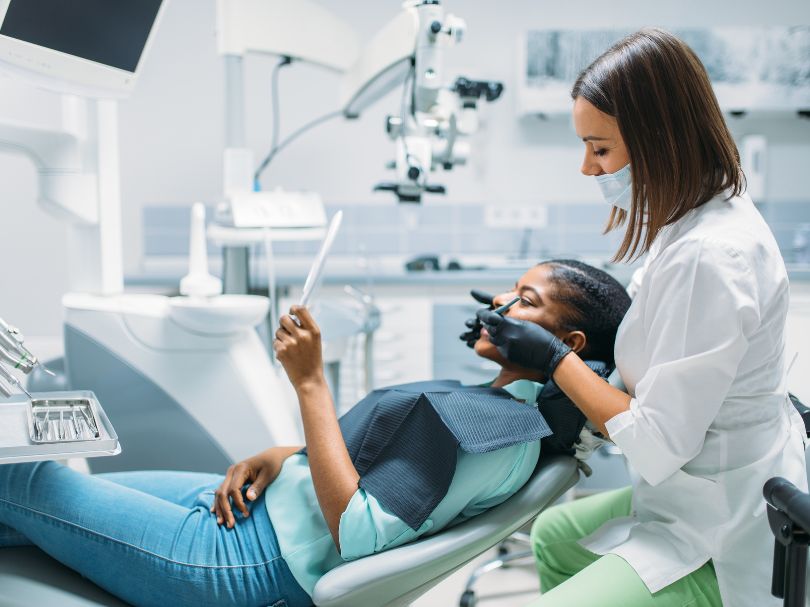
A clinic is a specialised healthcare facility that provides medical services to patients in an outpatient setting. Unlike hospitals, which often focus on inpatient care and complex surgical interventions, clinics are designed for efficiency, accessibility, and personalised treatment. Clinics play a pivotal role in the healthcare ecosystem, serving as the first point of contact for patients seeking diagnosis, treatment, and preventive care. Their importance has grown over the years due to evolving healthcare needs, increased patient awareness, and the demand for convenient, high-quality medical services.
Types of Clinics
Clinics vary significantly depending on their purpose, patient population, and services offered. Understanding the distinctions between clinic types can help patients and healthcare planners identify appropriate care options.
Primary Care Clinics
Primary care clinics are the backbone of routine healthcare. They offer general medical services such as physical examinations, immunisations, chronic disease management, and preventive screenings. Primary care physicians often coordinate referrals to specialists, ensuring patients receive comprehensive treatment. These clinics are particularly essential for early disease detection and ongoing health management.
Specialty Clinics
Specialty clinics focus on specific medical disciplines, such as dermatology, cardiology, endocrinology, or orthopaedics. Patients are usually referred to these clinics by primary care physicians, or they may self-refer when specialised care is needed. Specialty clinics often include advanced diagnostic equipment and highly trained staff, enabling precise treatment plans tailored to complex conditions.
Urgent Care Clinics
Urgent care clinics provide immediate attention for non-life-threatening medical issues. They are ideal for minor injuries, infections, and acute illnesses that require same-day attention but do not necessitate emergency room intervention. These clinics often operate extended hours and accept walk-ins, improving accessibility for patients with time-sensitive needs.
Community and Public Health Clinics
Community clinics serve specific populations, including underserved or low-income communities. These facilities often provide cost-effective or subsidised care, including preventive services, vaccinations, mental health support, and maternal care. Public health clinics also play a critical role during health crises, offering immunisation campaigns, disease surveillance, and health education initiatives.
Private and Corporate Clinics
Private clinics are usually owned and operated by individual practitioners or healthcare groups. They offer a higher degree of personalised care and often focus on patient comfort and convenience. Corporate clinics, commonly found in workplaces, provide occupational health services, wellness screenings, and injury management, contributing to employee health and productivity.
Essential Services Provided in Clinics
Clinics are designed to address a range of patient needs efficiently and safely. Core services commonly found in modern clinics include:
- Consultations and Diagnosis: Comprehensive evaluations conducted by qualified physicians or specialists.
- Preventive Care: Routine screenings, vaccinations, and health education to prevent disease.
- Chronic Disease Management: Monitoring and treatment for conditions such as diabetes, hypertension, and asthma.
- Minor Surgical Procedures: Outpatient surgeries like mole removal, biopsies, or wound care.
- Laboratory and Diagnostic Services: Blood tests, imaging, and other diagnostic evaluations performed on-site or via partner facilities.
- Pharmacy Services: Immediate access to prescribed medications for convenience and adherence.
- Telemedicine: Virtual consultations that expand access to care, especially in remote or underserved areas.
- Mental Health Support: Counselling and therapy sessions to address stress, anxiety, and depression.
Advantages of Clinic-Based Healthcare
Clinics provide a patient-centric approach that offers multiple advantages over traditional hospital care for routine or non-critical health issues:
- Accessibility: Clinics are often located in neighbourhoods or urban centres, making healthcare services readily available.
- Shorter Wait Times: With focused service offerings, clinics can accommodate appointments faster than hospitals.
- Cost-Effectiveness: Clinics often provide lower fees than hospitals, particularly for routine care and preventive services.
- Continuity of Care: Patients can establish long-term relationships with clinic practitioners, leading to better health outcomes.
- Integrated Care Models: Clinics often coordinate with hospitals, laboratories, and rehabilitation centres, ensuring seamless care pathways.
Clinic Infrastructure and Technology
Modern clinics integrate infrastructure and technology to optimise patient care. Facilities are designed for comfort, privacy, and efficiency, while technology enhances diagnostic accuracy and operational effectiveness.
- Electronic Health Records (EHR): Digital records enable secure patient data management and streamline communication between providers.
- Advanced Diagnostic Equipment: Ultrasounds, ECG machines, and point-of-care testing devices allow rapid and accurate diagnosis.
- Patient Management Systems: Scheduling, billing, and follow-up systems improve workflow and patient experience.
- Telehealth Platforms: Video consultations and remote monitoring devices extend the clinic’s reach beyond physical boundaries.
- Sanitation and Safety Measures: Clinics adhere to rigorous hygiene standards to prevent infections and maintain patient safety.
Staffing and Professional Roles in Clinics
A clinic’s success relies on a multidisciplinary team, each contributing specialized expertise:
- Physicians and Specialists: Lead patient diagnosis, treatment, and management.
- Nurses and Physician Assistants: Provide patient care, education, and procedural support.
- Medical Technicians: Conduct laboratory tests, imaging, and equipment maintenance.
- Receptionists and Administrative Staff: Manage appointments, billing, and patient communication.
- Pharmacists: Dispense medications and advise on proper usage.
- Mental Health Professionals: Offer counselling, therapy, and psychological assessments.
Regulatory Compliance and Accreditation
Clinics operate under strict regulatory frameworks to ensure patient safety, quality of care, and ethical practice. Common standards include:
- Licensing and Certification: Compliance with national health authorities and professional boards.
- Clinical Protocols: Adherence to evidence-based guidelines for diagnosis and treatment.
- Data Protection: Implementation of privacy measures for sensitive patient information.
- Infection Control Standards: Regular monitoring and sanitation protocols to minimise infection risks.
- Accreditation Bodies: Recognition by national or international organisations for maintaining high-quality standards.
Future Trends in Clinics
Healthcare delivery is rapidly evolving, and clinics are at the forefront of innovation. Emerging trends include:
- Personalised Medicine: Tailored treatment plans based on genetic profiles and patient history.
- AI and Predictive Analytics: Tools for risk assessment, diagnosis support, and operational efficiency.
- Mobile Clinics: Outreach services that bring medical care to rural or underserved populations.
- Integrated Wellness Services: Combining nutrition, mental health, and physical therapy into holistic care models.
- Sustainable Practices: Eco-friendly infrastructure and waste management strategies to reduce environmental impact.
Challenges Facing Clinics
While clinics offer numerous benefits, they also face operational and systemic challenges:
- Resource Constraints: Limited funding or staff shortages can affect service quality.
- Patient Volume Management: High demand can lead to scheduling bottlenecks.
- Regulatory Complexity: Compliance with evolving healthcare regulations requires ongoing oversight.
- Technology Adoption: Integrating new technologies can be costly and require staff training.
- Competition with Larger Hospitals: Clinics must maintain service quality to retain patient trust in an increasingly competitive environment.
How Patients Can Maximise Clinic Benefits
Patients can optimise their clinic visits and healthcare outcomes by adopting proactive strategies:
- Preparation: Bring relevant medical records, current medications, and a clear list of symptoms.
- Open Communication: Share complete health information to aid accurate diagnosis.
- Follow-Up: Adhere to treatment plans and schedule routine check-ups.
- Preventive Approach: Utilise screenings, vaccinations, and lifestyle counselling to prevent disease.
- Digital Tools: Engage with patient portals or telehealth services for convenient access to care.
Frequently Asked Questions About Clinics
Q1: What is the difference between a clinic and a hospital?
Clinics provide outpatient services for diagnosis, treatment, and preventive care, while hospitals handle both outpatient and inpatient care, including complex surgeries and intensive treatments.
Q2: Are clinic consultations covered by insurance?
Many insurance plans cover clinic visits, but coverage depends on the type of clinic, services provided, and the patient’s insurance policy.
Q3: How do urgent care clinics differ from emergency rooms?
Urgent care clinics handle non-life-threatening conditions requiring prompt attention, whereas emergency rooms manage severe, life-threatening emergencies such as heart attacks, strokes, or major trauma.
Q4: Can clinics perform diagnostic tests on-site?
Yes, many clinics offer in-house laboratory tests, imaging, and point-of-care diagnostics, allowing for quicker results and treatment planning.
Q5: How can clinics help with chronic disease management?
Clinics monitor long-term conditions such as diabetes or hypertension through regular check-ups, lifestyle guidance, medication management, and patient education.
Q6: Are telemedicine services reliable for clinic consultations?
Telemedicine allows patients to consult with qualified physicians remotely, offering convenience without compromising care quality, particularly for follow-ups and minor conditions.
Q7: What should patients look for when choosing a clinic?
Consider factors such as medical staff qualifications, range of services, accessibility, hygiene standards, patient reviews, and availability of advanced diagnostic tools.
Clinics are indispensable in modern healthcare, providing accessible, patient-centred care while addressing diverse medical needs. By leveraging advanced technology, multidisciplinary expertise, and regulatory standards, clinics ensure quality health services that promote wellness, disease prevention, and timely treatment. Their adaptability and focus on patient experience make them essential hubs in any healthcare system.
