

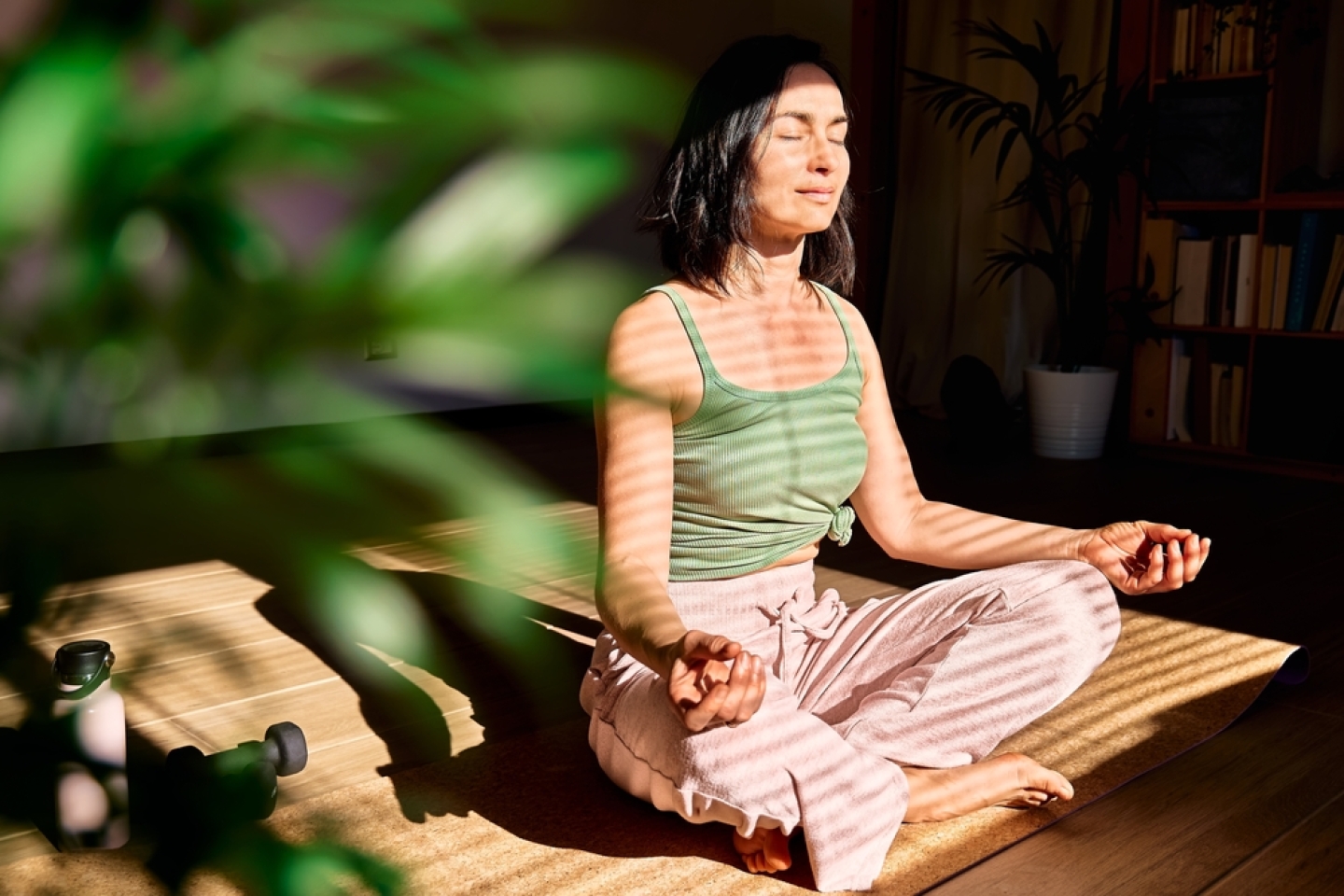
Meditation is a profound practice that cultivates mental clarity, emotional balance, and physiological well-being. While often associated with spiritual traditions, modern research has established meditation as a scientifically validated approach to stress management, cognitive enhancement, and holistic health. Understanding meditation requires an exploration of its history, methods, mechanisms, and applications across diverse populations and settings.
The Concept and Purpose of Meditation
Meditation is a set of techniques designed to focus attention, regulate awareness, and foster a state of mental calm. Its primary objective is not merely relaxation but also the development of mindfulness, concentration, and insight into one’s thought patterns and emotional processes. Meditation encourages self-observation, allowing practitioners to respond to challenges with clarity rather than reactive behaviour.
Key Objectives of Meditation
- Enhancing Focus: Improving attention span and reducing mental distractions.
- Emotional Regulation: Cultivating equanimity and resilience against stressors.
- Cognitive Clarity: Supporting memory retention, problem-solving, and decision-making.
- Physical Health: Lowering blood pressure, improving heart rate variability, and supporting immune function.
- Self-Awareness: Developing a deeper understanding of internal thought processes and emotional patterns.
Historical and Cultural Context
Meditation has existed for thousands of years across cultures and spiritual traditions. Ancient Indian practices such as Dhyana and Buddhist mindfulness techniques laid the foundation for modern mindfulness practices. Similarly, Taoist and Zen traditions emphasised breath control, posture, and focused awareness. Over time, meditation evolved beyond religious contexts to become a universal tool for mental and physical health.
Types of Meditation Practices
Meditation encompasses various approaches, each with specific techniques and benefits. Practitioners often select methods based on personal goals, lifestyle, and desired outcomes.
Mindfulness Meditation
Mindfulness meditation involves observing thoughts, emotions, and sensations without judgement. Practitioners focus on the present moment, acknowledging distractions while gently returning attention to the chosen focus point, such as the breath. Benefits include:
- Enhanced emotional regulation
- Reduced anxiety and depressive symptoms
- Improved attention and cognitive flexibility
Concentration Meditation
Concentration meditation focuses attention on a single object, sound, or visualisation. Examples include mantra repetition, candle-gazing, or guided imagery. Concentration meditation strengthens mental discipline and supports:
- Deepened focus and cognitive control
- Reduction in mind-wandering
- Improved task performance
Transcendental Meditation
Transcendental Meditation (TM) involves silently repeating a specific mantra to transcend ordinary thought patterns. TM is associated with:
- Lowered stress hormone levels
- Cardiovascular benefits, including blood pressure regulation
- Enhanced neural connectivity and relaxation response
Loving-Kindness and Compassion Meditation
Loving-kindness meditation cultivates positive emotions towards oneself and others through guided affirmations or visualisation. Evidence demonstrates:
- Increased empathy and social connection
- Reduced negative affect and aggression
- Strengthened emotional resilience
Body Scan and Somatic Meditation
Body scan meditation involves methodically directing attention across different body regions, observing sensations without judgement. It supports:
- Stress reduction and relaxation
- Awareness of muscle tension or chronic pain
- Improvement in sleep quality and bodily awareness
Movement-Based Meditation
Practices such as Tai Chi, Qigong, and Walking Meditation integrate mindful movement with breath awareness. Benefits include:
- Improved balance and proprioception
- Stress reduction and cardiovascular health
- Enhanced mind-body coordination
Physiological Mechanisms and Scientific Insights
Modern neuroscience and psychophysiology provide evidence for the mechanisms through which meditation improves health:
- Neuroplasticity: Regular meditation strengthens brain regions associated with attention, memory, and emotional regulation, including the prefrontal cortex and hippocampus.
- Autonomic Nervous System Regulation: Meditation enhances parasympathetic activity, promoting relaxation, lowering heart rate, and reducing blood pressure.
- Hormonal Balance: Cortisol levels decline, while neurotransmitters such as serotonin and dopamine increase, contributing to improved mood and stress resilience.
- Inflammation Modulation: Meditation has been linked to reduced pro-inflammatory markers, supporting cardiovascular and metabolic health.
- Cognitive Function: Enhanced connectivity between brain regions improves attention, working memory, and executive function.
Integrating Meditation into Daily Life
For meditation to be effective, consistency and mindful integration into daily routines are crucial. Practical strategies include:
- Dedicated Time: Allocate 10–30 minutes daily for formal practice.
- Structured Environment: Choose a quiet space, free from distractions, to maintain focus.
- Posture Awareness: Sit comfortably with a straight spine to optimise respiration and alertness.
- Guided Support: Use apps, recordings, or instructors to facilitate learning and technique adherence.
- Micro-Practices: Incorporate short mindful pauses during work, commuting, or meals to reinforce awareness.
Health Benefits of Regular Meditation
Evidence-based research demonstrates meditation’s broad health benefits across physical, mental, and emotional domains.
Mental Health Benefits
- Reduction in anxiety, depression, and rumination
- Enhanced emotional stability and resilience
- Greater self-compassion and acceptance
Cognitive Enhancements
- Improved attention span and focus
- Enhanced working memory and executive function
- Decreased mind-wandering and distraction
Physical Health Benefits
- Lowered blood pressure and heart rate
- Improved sleep quality and fatigue management
- Reduced chronic pain perception and inflammation
Lifestyle and Behavioural Outcomes
- Improved dietary choices and mindful eating
- Reduced substance dependence and addictive behaviours
- Enhanced social connectivity and interpersonal empathy
Challenges and Considerations in Meditation Practice
While meditation offers significant benefits, practitioners may encounter challenges that require mindful strategies:
- Restlessness and Distraction: Beginners often experience difficulty maintaining focus. Techniques include shorter sessions and guided meditations.
- Emotional Emergence: Meditation can surface suppressed emotions, necessitating psychological support in certain cases.
- Consistency: Maintaining daily practice requires habit formation, accountability, and realistic goal setting.
- Technique Selection: Different meditation styles suit different personalities and objectives; experimenting and adapting is essential.
- Medical Considerations: Individuals with severe mental health conditions should consult professionals before initiating intensive meditation practices.
Advanced Approaches and Research Frontiers
Meditation research continues to expand, integrating advanced neuroscience and clinical applications:
- Mindfulness-Based Cognitive Therapy (MBCT): Combines cognitive therapy with mindfulness for relapse prevention in depression.
- Neurofeedback-Assisted Meditation: Uses brainwave monitoring to enhance focus and awareness.
- Virtual Reality Meditation: Immersive environments increase engagement and stress reduction in clinical and occupational settings.
- Integration in Healthcare: Hospitals and clinics increasingly offer meditation programs for chronic pain, anxiety disorders, and cardiac rehabilitation.
Frequently Asked Questions About Meditation
Q1: How long does it take to experience benefits from meditation?
Noticeable effects on stress reduction and focus can appear within a few weeks of consistent daily practice, while structural brain changes may develop over several months.
Q2: Can meditation replace traditional medical treatment?
Meditation complements but does not replace conventional medical care. It is particularly effective as a supportive strategy for stress-related, cardiovascular, and mental health conditions.
Q3: Is there a best time of day to meditate?
While any consistent time can be beneficial, early morning or evening sessions are common for uninterrupted focus and mental clarity.
Q4: How do I choose the right meditation technique?
Consider personal goals, temperament, and lifestyle. Beginners may start with mindfulness or guided meditation, while experienced practitioners can explore concentration, loving-kindness, or movement-based practices.
Q5: Can children and adolescents benefit from meditation?
Yes, meditation improves attention, emotional regulation, and stress management in young populations, and programs tailored for schools are increasingly effective.
Q6: How does meditation impact sleep quality?
Meditation reduces hyperarousal and stress, facilitating faster sleep onset, longer duration, and improved sleep efficiency.
Q7: Are there risks associated with meditation?
Generally, meditation is safe, but individuals with severe psychiatric conditions should practice under professional guidance, and abrupt, intensive retreats may require careful supervision.
Meditation represents a versatile, evidence-backed practice that enhances cognitive, emotional, and physical well-being. By integrating consistent practice, mindful strategies, and scientific understanding, individuals can cultivate resilience, focus, and holistic health that extend across personal, professional, and social domains.
