

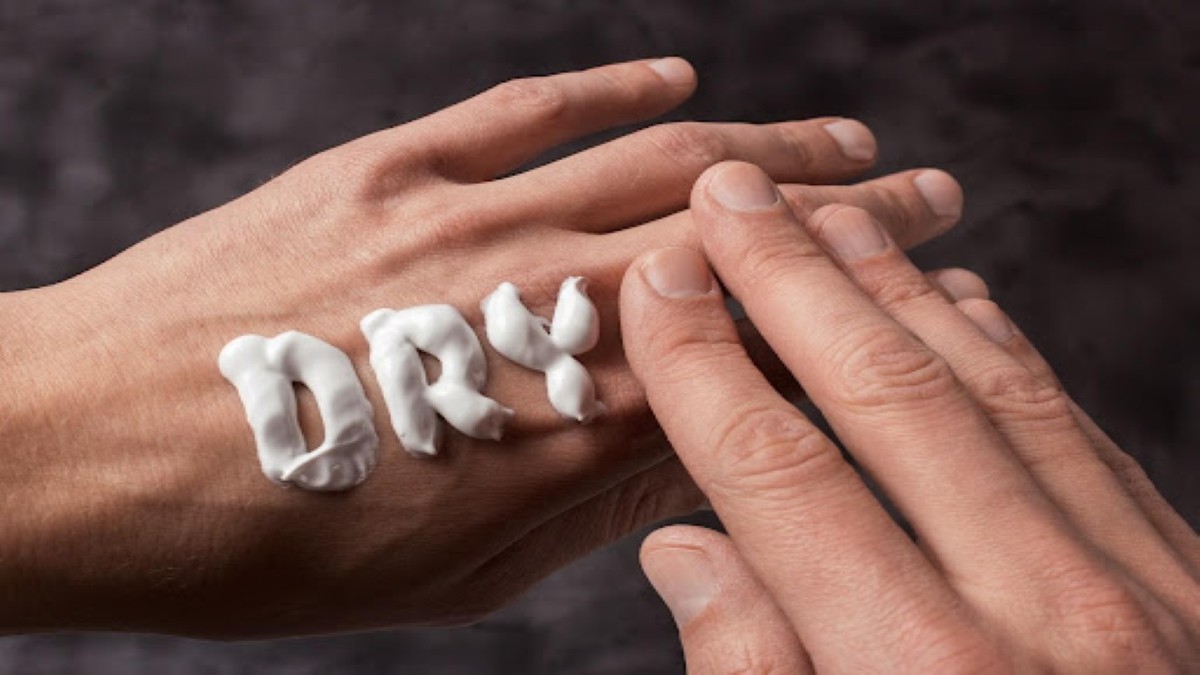
Skin care is a critical aspect of overall health and wellbeing, as the skin is the body’s largest organ and primary barrier against environmental stressors. Effective skin care goes beyond cosmetic concerns, encompassing protection, repair, and maintenance of the skin’s structure and function. Scientific research highlights that strategic skin care practices, combined with lifestyle factors and targeted treatments, can prevent premature ageing, manage dermatological conditions, and promote optimal skin health.
Understanding the Structure and Function of Skin
The skin is a complex organ composed of multiple layers, each serving vital functions:
- Epidermis: The outermost layer, responsible for barrier function, hydration, and protection against pathogens and UV radiation. Keratinocytes in this layer produce keratin, contributing to mechanical resilience.
- Dermis: Located beneath the epidermis, the dermis contains collagen, elastin, blood vessels, and nerves, providing structural support, elasticity, and sensory perception.
- Hypodermis: The subcutaneous layer stores fat, cushions internal organs, and assists in thermoregulation.
Skin functions include protection, thermoregulation, immune defence, sensory perception, and synthesis of vitamin D, making skin care a critical component of overall health.
Key Principles of Skin Care
Effective skin care is founded on principles that support the skin’s natural functions and maintain homeostasis:
- Cleansing: Removal of dirt, sebum, and environmental pollutants prevents pore blockage and microbial overgrowth. Gentle cleansers maintain the acid mantle, avoiding excessive disruption of pH balance.
- Moisturisation: Hydration is essential to maintain barrier integrity and prevent transepidermal water loss. Ingredients like hyaluronic acid, glycerin, and ceramides support epidermal hydration.
- Sun Protection: Daily use of broad-spectrum sunscreen protects against UVA and UVB radiation, preventing photoageing, DNA damage, and skin cancer.
- Exfoliation: Controlled removal of dead skin cells enhances texture, promotes cell turnover, and supports absorption of active ingredients. Both chemical exfoliants (AHAs, BHAs) and physical exfoliants have roles when used appropriately.
- Targeted Treatments: Active ingredients such as retinoids, peptides, and antioxidants address specific concerns, including ageing, hyperpigmentation, and inflammation.
Types of Skin and Corresponding Care Strategies
Understanding skin type is crucial to selecting appropriate care routines and products.
Normal Skin
- Well-balanced oil and moisture levels
- Minimal sensitivity or blemishes
- Care Strategy: Maintain with gentle cleansing, hydration, and sun protection
Dry Skin
- Reduced sebum production, prone to flaking and tightness
- Care Strategy: Emphasise emollient-rich moisturisers, occlusive barriers, and mild cleansers
Oily Skin
- Excess sebum production, prone to acne and enlarged pores
- Care Strategy: Use oil-control cleansers, lightweight moisturisers, and non-comedogenic products
Combination Skin
- Oily in the T-zone, dry or normal in other areas
- Care Strategy: Tailored approach with balanced hydration and targeted treatments for different zones
Sensitive Skin
- Prone to irritation, redness, and inflammation
- Care Strategy: Use hypoallergenic, fragrance-free products; minimise exposure to harsh chemicals and exfoliants
Anti-Ageing and Preventive Skin Care
A scientific approach to anti-ageing focuses on preventing cellular damage, supporting collagen production, and improving skin elasticity:
- Antioxidants: Vitamin C, vitamin E, and polyphenols neutralise free radicals, reducing oxidative stress and premature ageing.
- Retinoids: Promote cellular turnover, enhance collagen synthesis, and improve texture and pigmentation.
- Peptides: Signal cells to produce collagen and elastin, improving firmness and reducing fine lines.
- Hydration and Lipid Support: Maintaining moisture and barrier integrity slows wrinkle formation and enhances resilience.
- Sun Protection: Daily sunscreen use is the most effective preventive measure against photoageing.
Skin Care for Specific Conditions
Effective skin care requires tailored approaches for common dermatological issues:
Acne
- Caused by sebum overproduction, follicular hyperkeratinisation, and microbial colonisation
- Management includes gentle cleansing, salicylic acid or benzoyl peroxide treatments, retinoids, and non-comedogenic moisturisers
Hyperpigmentation
- Resulting from UV exposure, hormonal changes, or post-inflammatory responses
- Treatment includes vitamin C, niacinamide, hydroquinone, and chemical exfoliation to reduce pigment deposition
Eczema and Psoriasis
- Characterised by inflammation, barrier dysfunction, and dryness
- Management includes emollients, anti-inflammatory agents, and avoiding irritants
Rosacea
- Chronic inflammation causing redness and visible capillaries
- Management involves gentle cleansing, anti-inflammatory treatments, sun protection, and avoidance of triggers such as heat and alcohol
Lifestyle Factors Affecting Skin Health
Optimal skin care extends beyond topical treatments; lifestyle choices significantly impact skin health:
- Nutrition: Diets rich in antioxidants, vitamins, omega-3 fatty acids, and hydration support skin structure and function.
- Sleep: Adequate rest facilitates cellular repair and reduces inflammation.
- Stress Management: Chronic stress elevates cortisol, which can exacerbate acne, eczema, and ageing.
- Environmental Exposure: Minimising UV exposure, pollution, and harsh weather protects skin integrity.
- Physical Activity: Exercise improves circulation, supports collagen synthesis, and reduces oxidative stress.
Technological Advances in Skin Care
Modern dermatology integrates technology to enhance treatment efficacy and monitoring:
- Non-Invasive Devices: Laser therapy, microdermabrasion, and LED treatments target pigmentation, acne, and ageing.
- Teledermatology: Remote consultations improve access to professional guidance and personalised routines.
- Personalised Skin Analysis: Devices assess hydration, pigmentation, and sebum levels to guide targeted interventions.
- Cosmeceuticals: Formulations combining cosmetics with bioactive ingredients enhance cellular function and clinical outcomes.
Common Mistakes in Skin Care
Even well-intentioned routines can compromise skin health:
- Over-cleansing, which disrupts natural oils and barrier function
- Excessive exfoliation, leading to irritation and inflammation
- Ignoring sun protection, increasing risk of photoageing and cancer
- Misusing active ingredients without guidance, causing irritation or reduced efficacy
- Inconsistent routines, limiting long-term benefits
Frequently Asked Questions About Skin Care
Q1: How often should I cleanse my skin?
Twice daily cleansing is generally recommended, using gentle formulations suited to skin type. Over-cleansing can lead to dryness and barrier disruption.
Q2: Can natural or organic products replace scientifically formulated skin care?
Natural products may provide benefits, but clinically tested formulations often deliver more reliable and targeted results, particularly for conditions like acne, hyperpigmentation, and ageing.
Q3: How do I layer skin care products effectively?
Apply products from thinnest to thickest consistency: cleansers, toners, serums, moisturisers, and finally sunscreen. Active ingredients may require alternate-day application to prevent irritation.
Q4: Does diet impact skin appearance?
Yes, diets high in antioxidants, vitamins, minerals, and hydration improve elasticity, reduce inflammation, and support barrier function. Conversely, excessive sugar and processed foods may exacerbate acne and ageing.
Q5: How can I protect my skin from environmental stressors?
Daily sunscreen, antioxidant-rich topical products, and protective clothing shield the skin from UV radiation, pollution, and oxidative stress.
Q6: Are expensive skin care products more effective?
Effectiveness depends on formulation, ingredient concentration, and consistency, rather than cost. Evidence-backed active ingredients are more important than price.
Q7: How long does it take to see results from a new skin care routine?
Visible improvements can take 4–12 weeks, depending on the concern and product type. Collagen stimulation and cellular turnover often require sustained, consistent application.
Skin care is a multidimensional practice combining scientific principles, targeted interventions, and lifestyle optimisation. By understanding skin structure, tailoring routines to individual needs, and integrating evidence-based products and habits, individuals can maintain healthy, resilient, and youthful skin. A strategic approach to skin care not only enhances appearance but also supports overall physiological and psychological well-being.
