
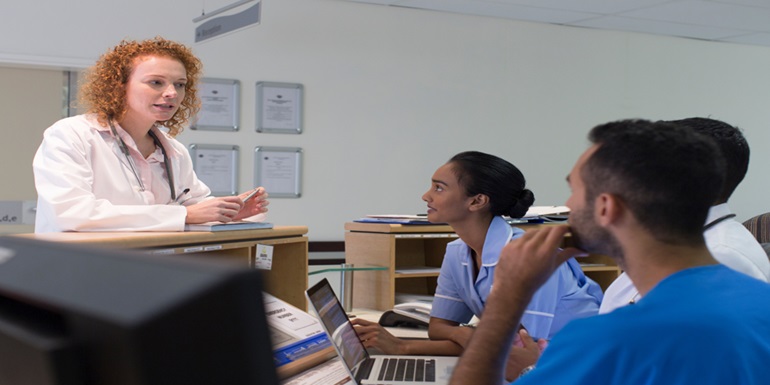
Nurses’ stations are at the centre of every healthcare place. These spots are where nurses look after people, talk with others, and work with the team. A nurses’ station is not just a place to work. The nurses there have the tools, the info, and the right setting to provide safe, caring help to people. They make sure care is quick, warm, and well set up.
As healthcare changes, nurses’ stations are getting better and easier to use. These new setups use tools, simple designs, and methods that help both staff and patients. A nurses’ station does more than just take care of paperwork. It also helps improve care for patients and makes life easier for staff.
The Role of Nurses Stations in Patient Care
Nursing stations are very important for better patient care. They give nurses a place to look after patients, plan care, and respond quickly if anything changes. The nurse stations are also good places for patients and their families to ask questions, get help, and feel that someone is there for them.
Nurse stations bring all the tools and messages together in one spot. This helps the healthcare team give care fast and work as a team. It can also make patients feel good about their stay.
Key Components of an Effective Nurses Station
Essential Equipment and Technology
Modern nurses’ stations have many important tools. These tools help nurses give good care to people. Nurses’ stations have blood pressure monitors. They also have thermometers and other equipment that can help find health problems. There are systems for dispensing medicine. Stations also have electronic health records (EHRs) to keep patient information.
Healthcare workers can get patient info and helpful tools right away. This helps them make good choices for care. It also makes care safer. They can keep all records complete and up to date.
Ergonomic Design
The way the nurse’s station is set up is very important. It can help the staff feel good and do their jobs well. When you use ergonomic furniture, movable desks, and good lighting, you help reduce fatigue and physical strain. This lets healthcare workers feel comfortable and stay focused, even when they have to work long hours.
A well-planned workspace can help people get more done. It can also help workers stay at their jobs and feel happy with what they do.
Integration with Hospital Information Systems
Seamless integration with hospital information systems enables doctors and nurses to view patient records, test results, and treatment plans in real time. This link builds better communication between departments. It helps them work well as a group. It makes sure that healthcare professionals get the information they need when they need it.
Supporting Better Patient Outcomes
These central point’s help healthcare workers keep track of the people they care for. They provide the necessary supplies and make plans for care. Nurses can access tools and patient info quickly. This helps them act fast if something changes. Nurses can provide help at the right time, which improves patient outcomes.
Improving the Management of Health Conditions
They are places where team members come together to work. They are there to help with both urgent health problems and ones that last a long time. The team reviews the person’s medical history, checks how they feel, and then adjusts the care plans as needed. Doing this lets everyone provide better care to each patient, and that care keeps improving over time.
This way of working together helps people get care that best fits their lives.
Supporting Illness Prevention
Nurses’ stations are very important in preventing illness before it begins. They help keep the place clean and safe. Nurses show people how to avoid germs. Nurses check how people feel each day and make sure everyone gets good care. They talk to other staff and patients about ways to stop illness. This work helps people feel good and keeps others from getting sick.
Many stations now use data analytics tools. The tools make it easy for them to identify trends, assess risks, and take action quickly if something goes wrong.
Enhancing Communication and Collaboration
Good communication is important. It helps people provide safe, high-quality care to patients. A nursing station is a place where nurses, doctors, and other professionals can meet. They use this place to talk, share information, and plan how to take care of patients.
Open communication can help lower mistakes. It helps people make better choices and keeps patients safe.
Encouraging Interdisciplinary Collaboration
Healthcare today needs teams from many fields to work as one. They do this to get the best results for all. A nursing station helps with this way of working. It gives a place for people to come together and to use the same data systems. This helps everyone work well together to care for patients.
This way of working together helps people think of new ideas. It improves treatments and helps provide comprehensive care to every person.
Strengthening Patient-Staff Relationships
Nurses’ stations help patients and hospital staff communicate better with each other. They provide a space where patients can ask staff questions, share what is on their minds, and get help when they need it.
These real talks can help to build trust. They make the patient feel good. They also help people stick to their treatment plans.
Supporting Operations and Workflow Optimisation
Good nurses’ stations help staff finish admin work faster. When there is just one area for info, ways to talk, and health tools, people find it easier to do the work. The staff can keep track of patient records, plan meetings, and write notes more effectively in this kind of setup. This can also help everyone do their job well.
Better workflows help people finish tasks faster. They reduce errors and allow staff to spend more time with patients. This leads to better care for all.
Handling medication better, working together as a team, and using supplies wisely can help us provide higher levels of care. These things also lead to better health for people.
Promoting Health Education and Patient Empowerment
Patient education is a key part of healthcare now. The nursing stations in a hospital help this to happen. Nurses talk with patients at these spots. They provide people with facts about their health. The nurses also tell them about treatments. They show how to take care of themselves at home, too.
By using things like brochures, videos, and online resources, healthcare workers can share hard details in a way that is easy for people to understand. Giving patients more facts help them take part in their care. This also helps everyone get better health over time.
The Future of Nurses Stations
As healthcare settings change, nurses’ stations will remain at the centre of good care for people. With new tools, better ways to communicate, and smart steps for work, these key areas help doctors and nurses provide care that is safer, more orderly, and focused on each patient.
Modern nurses’ stations help people work together more effectively. They also make things go faster and feel easier. These stations provide staff and patients with more support and allow them to have more say in what happens. Because of this, they will continue to play an important role as healthcare evolves in the future.
